

Our Approach to Narcissistic Personality Disorder Treatment
While self-confidence is healthy, pervasive patterns of entitlement and grandiosity can cause emotional distress and strain relationships. When these patterns significantly impair a person’s functioning, it may be diagnosed as narcissistic personality disorder (NPD).
At Red Top Wellness Center, we’re here to help if you or a loved one are struggling with NPD. Our residential program offers treatment for narcissistic personality disorder that goes beyond occasional meetings, providing a full schedule of clinical work, one-on-one attention from a licensed therapist, and support for any co-occurring mental health conditions.
Therapies We Use
Individual Therapy
In individual sessions with your primary therapist, you’ll learn to trace a behavior back to the incident that triggered it, consider the belief behind that behavior, and change your way of thinking.
Group Therapy
Group sessions provide an opportunity to receive direct feedback in real time from peers in treatment. In this setting, you can practice responding appropriately to disagreements or challenges.
Acceptance and Commitment Therapy (ACT)
ACT helps you control your reactions to difficult situations, despite unhealthy thoughts. For NPD, that often means behaving according to your personal values even when you feel envious or unrecognized.
Dual Diagnosis Treatment
NPD frequently appears alongside depression, anxiety, or substance use. We assess co-occurring conditions during your initial assessment and treat them inside the same care plan.
Other Personality Disorders We Treat
The Cost of NPD Treatment
Committing to residential treatment for narcissistic personality disorder is a major decision in and of itself. That decision shouldn’t be complicated even further by navigating your insurance plan.
At Red Top Wellness Center, you don’t have to work that out on your own. Call our admissions team and provide your insurance information, and we’ll verify your benefits for you. We’ll call you back once we’ve contacted your insurance provider and break down everything you need to know about what’s covered, what isn’t, and what you can expect. Verification is free, and it doesn’t commit you to anything.


Why Visit Red Top Wellness Center for Narcissistic Personality Disorder Treatment?
Red Top Wellness Center offers residential treatment for narcissistic personality disorder, but we also provide so much more. Your wellbeing is our mission, which means every aspect of our program is tailored to provide the level of support you need to turn your life around and achieve lasting recovery.

24/7 Staff Support
A residential setting means you’re surrounded by clinical and support staff 24/7. That’s especially important in personality disorder treatment, because the moments when you need support the most may not occur in a scheduled therapy session.
Our team will be there through every step of your recovery, whether you’ve just gotten off a phone call with a family member or you’ve been up all night thinking about what you discussed in a group session. We’re experienced in treating narcissistic personality disorder, and we know your unique care plan, so you can rest assured that you’ll receive expert care with a personal touch.
Family Involvement
We know what it means to have a mental health struggle interfere with your close relationships. Whether you’re reaching out on behalf of a loved one, or you know your own challenges have impacted those closest to you, we’re here to help.
Red Top Wellness Center incorporates family therapy into narcissistic personality disorder treatment plans, when appropriate. Family therapy can include your chosen family, too, because we understand that not all of our loved ones are biologically related.

Time to Unwind
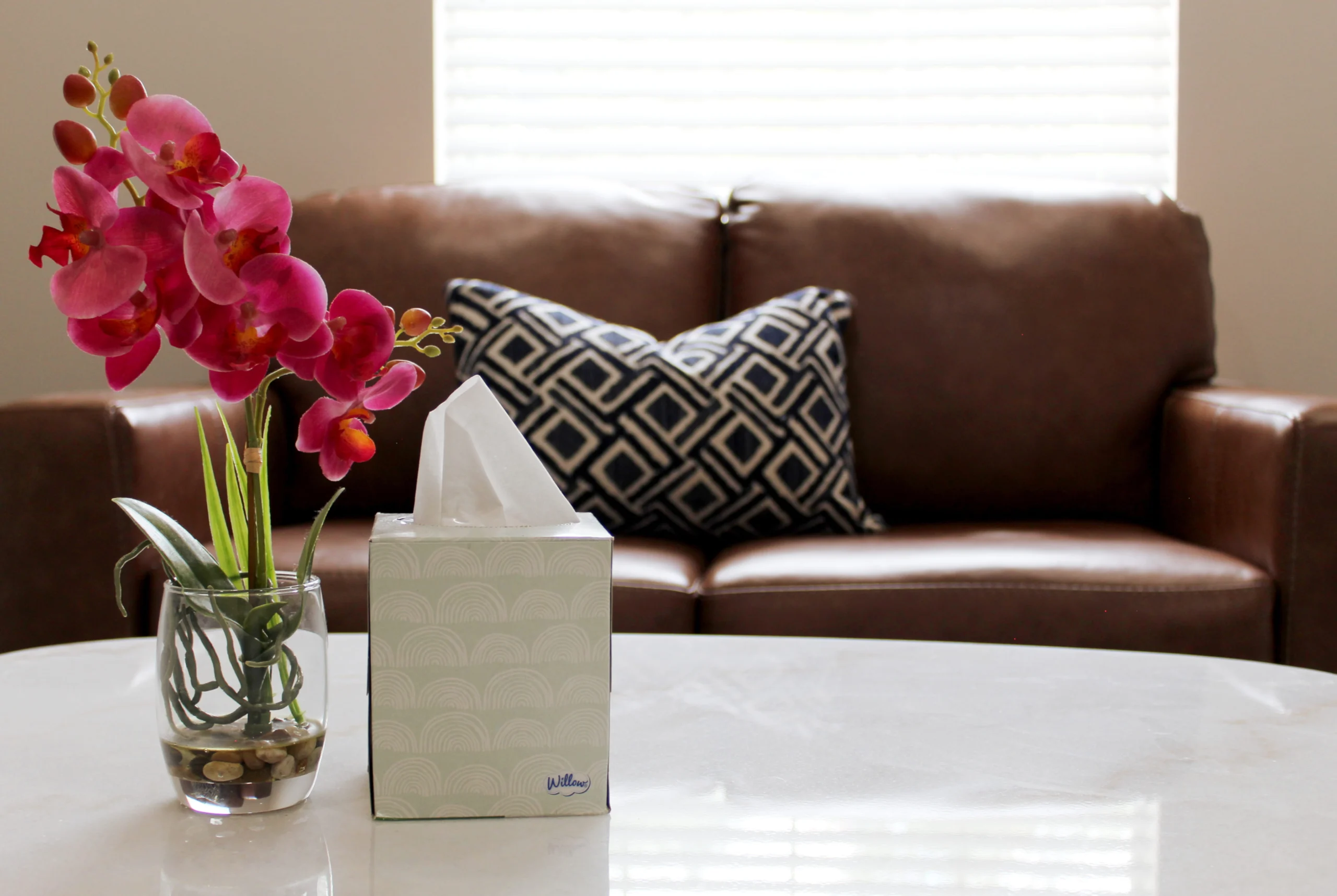
Residential treatment is a full day, but not a full day of therapy. What you do with the rest of your time affects how you participate in clinical work, so our campus is designed to be a relaxing and comfortable environment.
Here, you’ll find:
- Outdoor games and seating areas
- Gym equipment
- Common living areas with television
- Musical instruments
- Books and quiet space to read
- Catered meals
In your downtime, you’ll also have opportunities to build connections with peers who are facing similar challenges and practice the interpersonal skills you learn in therapy sessions.


