

Residential PTSD Treatment at Red Top Wellness Center
Living with untreated PTSD can feel like being on constant alert, even when there’s no real danger in front of you. At Red Top Wellness Center, our inpatient PTSD treatment program removes you from the environment where those triggers live and places you in a calm, supportive setting built specifically for trauma recovery.
Here, healing isn’t squeezed in between daily obligations and stressors; it’s the only focus.
Comprehensive Care
Anxiety, depression, substance use, and other conditions frequently develop alongside trauma. Treating PTSD by itself often means the underlying picture gets missed.
On day one, our clinicians screen for co-occurring conditions, so we have the full picture of your diagnosis. From there, we’ll build a plan that addresses everything you’re carrying, not just the diagnosis on the intake form.
Personalized Plans
No two people experience trauma the same way, so no two PTSD treatment plans at Red Top Wellness Center look the same. Your plan starts with a thorough clinical assessment of your history, symptoms, co-occurring conditions, and personal goals. From there, our team builds a plan around the specific combination of therapeutic approaches most likely to help you.
As you progress through our program, we’ll continue to reassess and adjust your plan. This may mean adding new approaches as you’re ready for them or dialing back others as your symptoms improve.
Is Residential PTSD Treatment Covered by Your Insurance?
Cost shouldn’t stand between you and the treatment you need. And in many cases, it doesn’t have to. We accept most out-of-network coverage, meaning your insurance plan may cover more of residential PTSD treatment than you think.
Call our admissions team and share your insurance plan details, and we’ll contact your provider directly to find out. We’ll break down your coverage for you so there are no surprises, and you can focus fully on getting better.


What to Expect From Our Inpatient PTSD Treatment Center
It’s difficult to process trauma while you’re still living inside the conditions that caused or worsened it. Choosing residential PTSD treatment means stepping fully away from the routines and environments that keep triggering your symptoms.
Our PTSD treatment center is designed to feel like a place where you can exhale, with comfortable rooms, peaceful grounds, and a daily rhythm built around rest and recovery. Within that environment, you’ll have 24/7 access to an experienced clinical team guiding you through every stage of treatment.
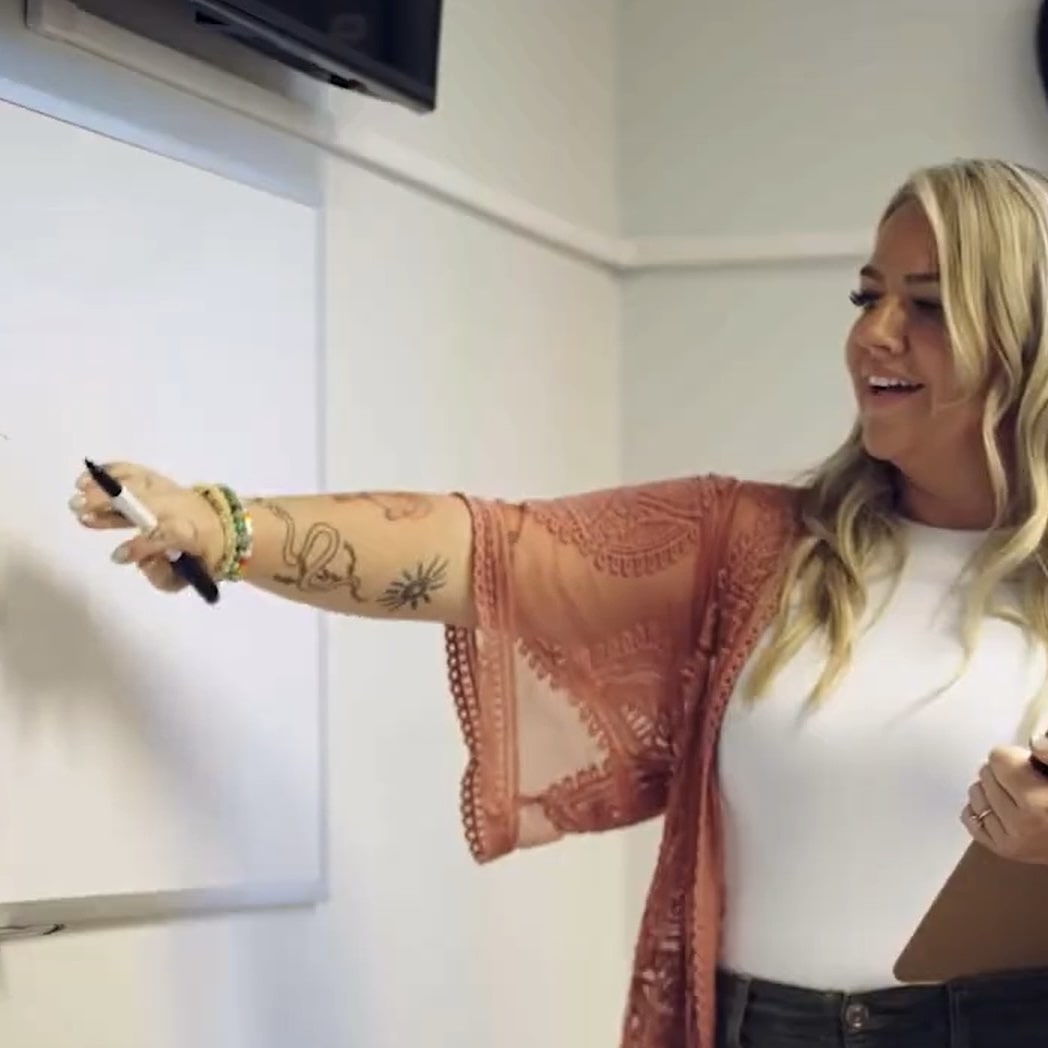
Trauma-Informed Psychotherapies
Our licensed therapists use proven, trauma-focused approaches to help you process traumatic memories and reduce their hold on your daily life, including:
- Cognitive behavioral therapy (CBT)
- Cognitive processing therapy (CPT)
- Acceptance and commitment therapy (ACT)
- Exposure therapy
Each modality is selected and sequenced based on your specific symptoms and comfort level.
Holistic Therapies
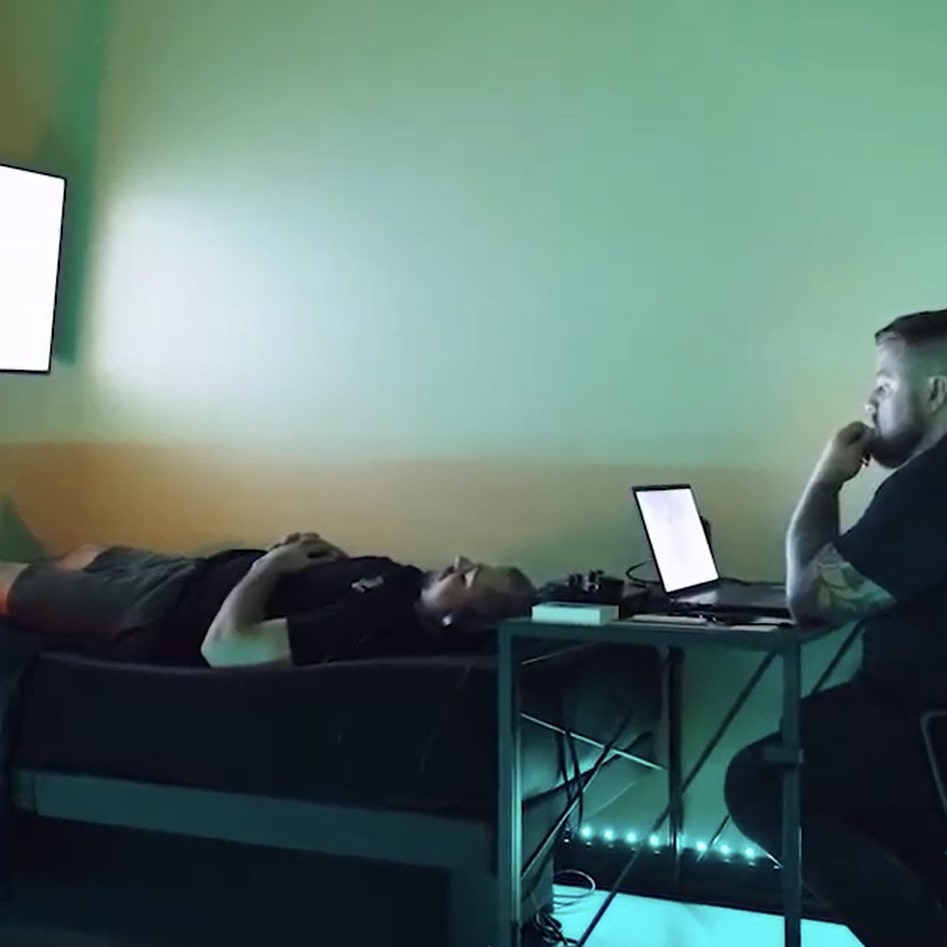
Trauma lives in the body as much as the mind. That’s why our inpatient PTSD treatment program pairs traditional psychotherapy with holistic modalities that support nervous system regulation and overall wellbeing. These offerings may include:
- Red light therapy
- Biosound therapy
- Art therapy
- Music therapy
- Recreational and outdoor activities
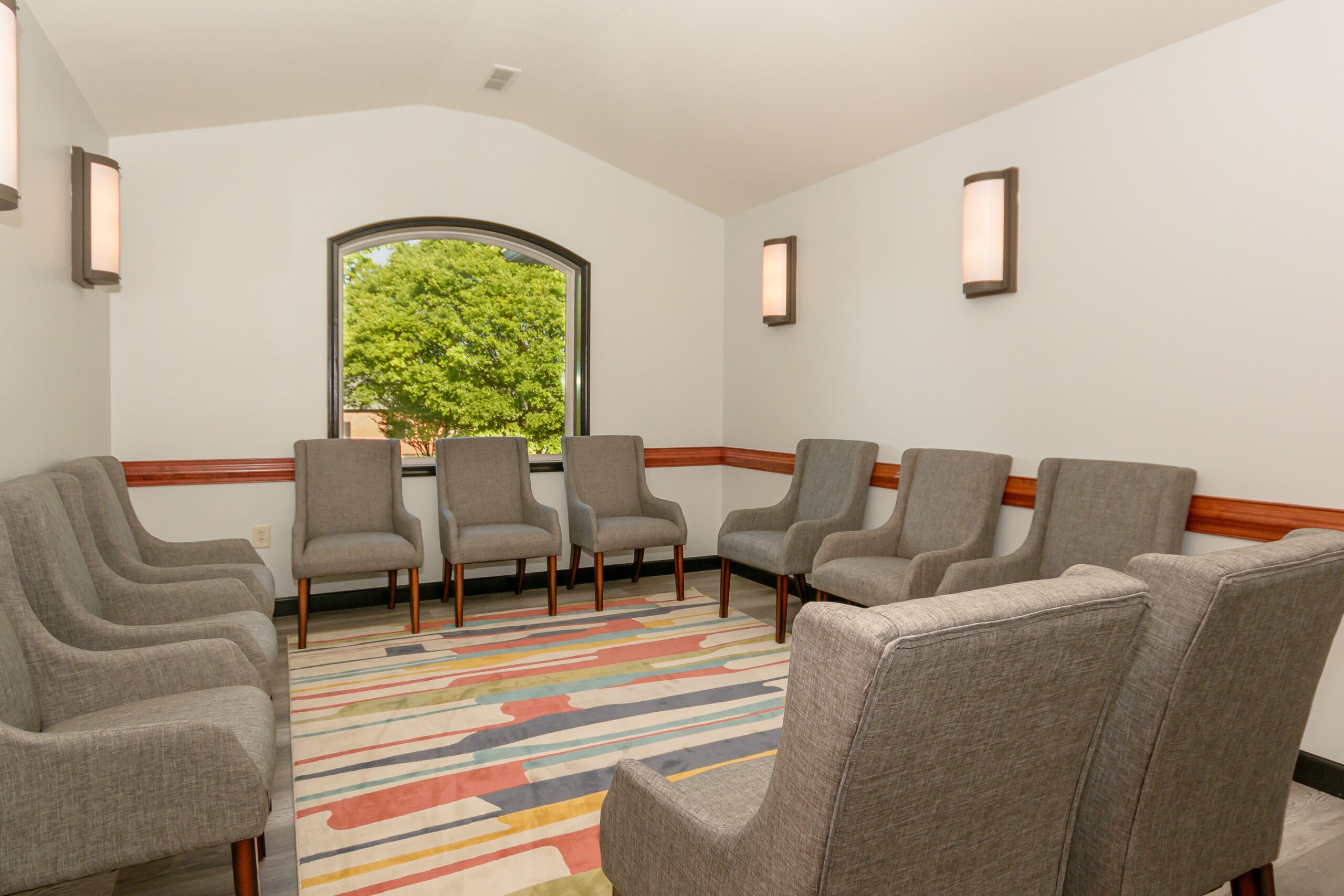
Family and Group Therapies
PTSD affects the people around you, too, and their support can make a real difference in your recovery. We’ll schedule family therapy sessions in your care plan to help loved ones understand what you’re experiencing and learn how to respond in supportive ways. These sessions are designed to help you and your family begin repairing strained relationships that trauma may have caused.
While you’re in residential PTSD treatment, you’ll also get to know peers who are facing similar challenges. In group therapy sessions, you’ll realize you’re not as alone as PTSD may make you feel as you share your experiences and learn from each other. These sessions are always guided by our trained clinical staff, and you’re never forced to participate.


